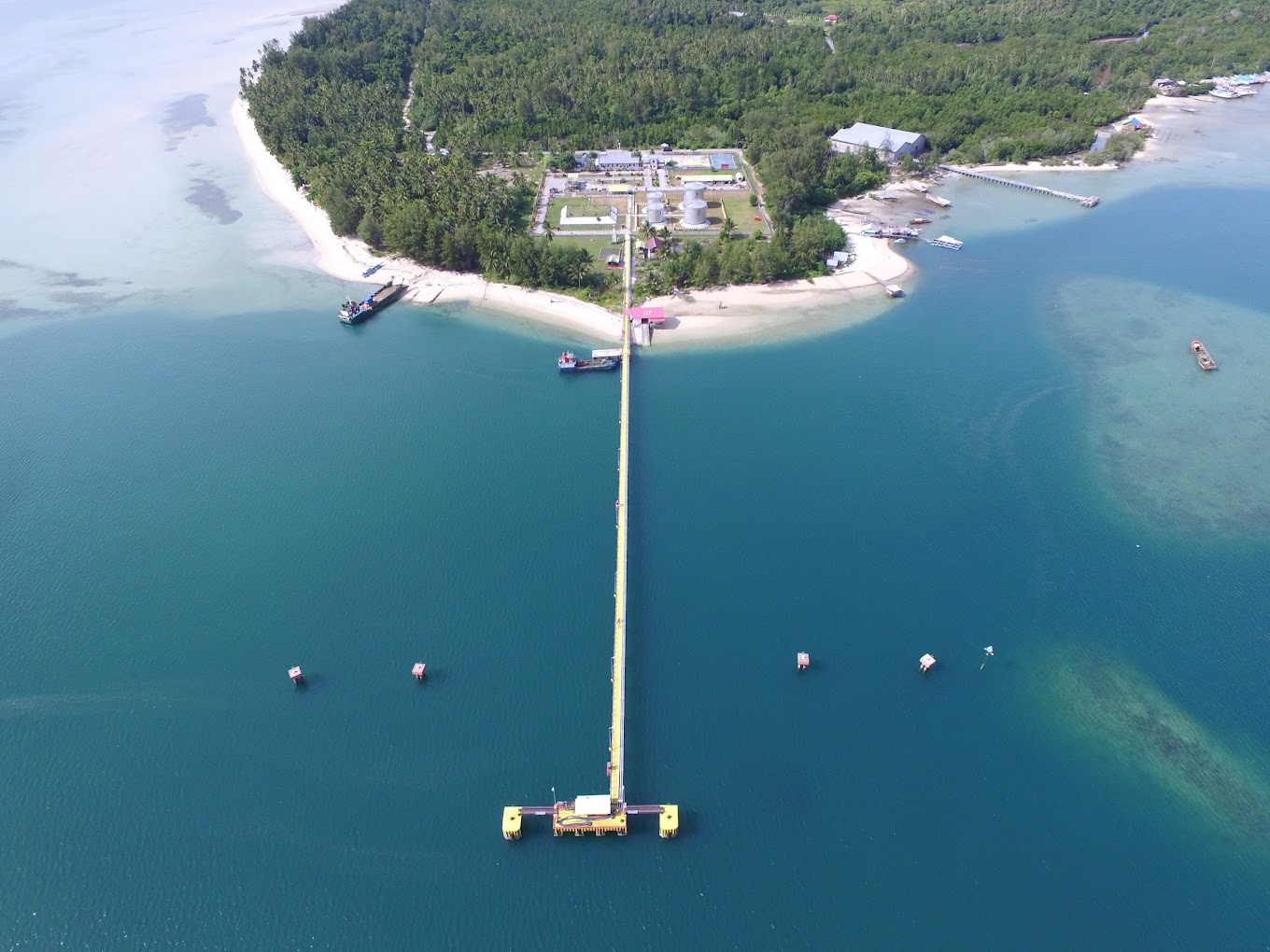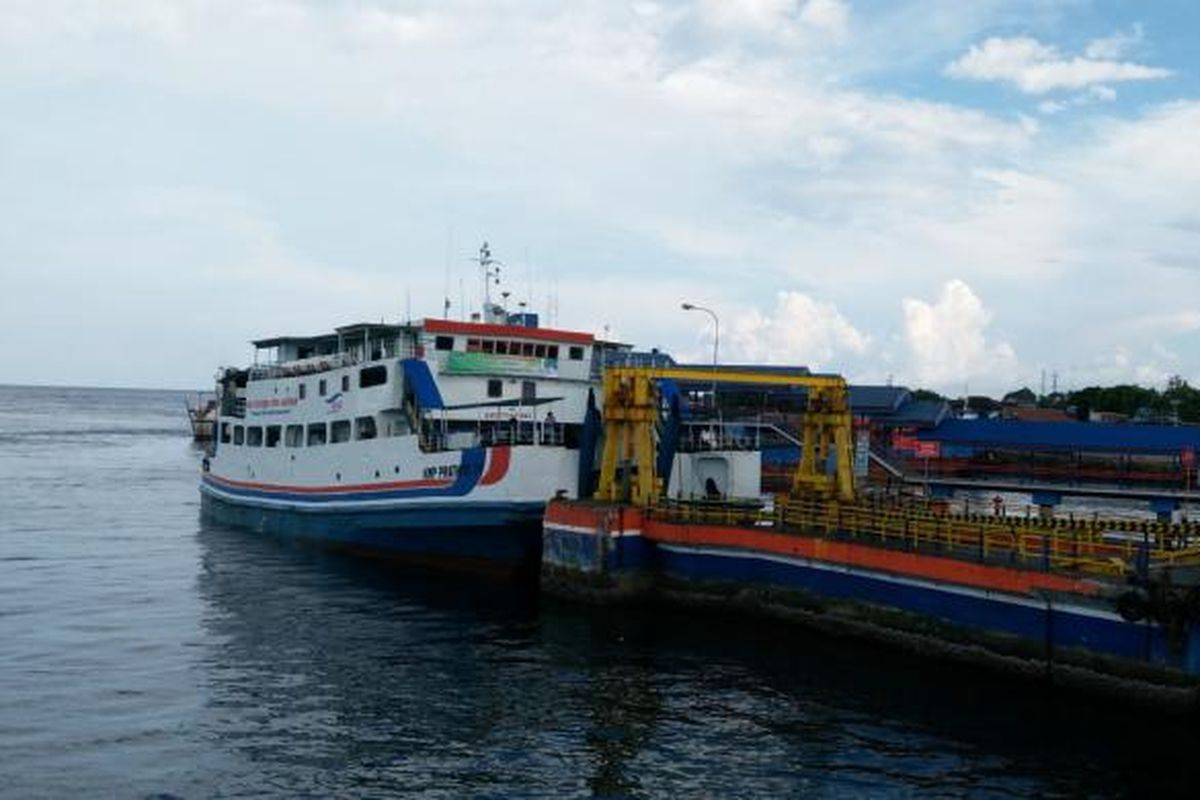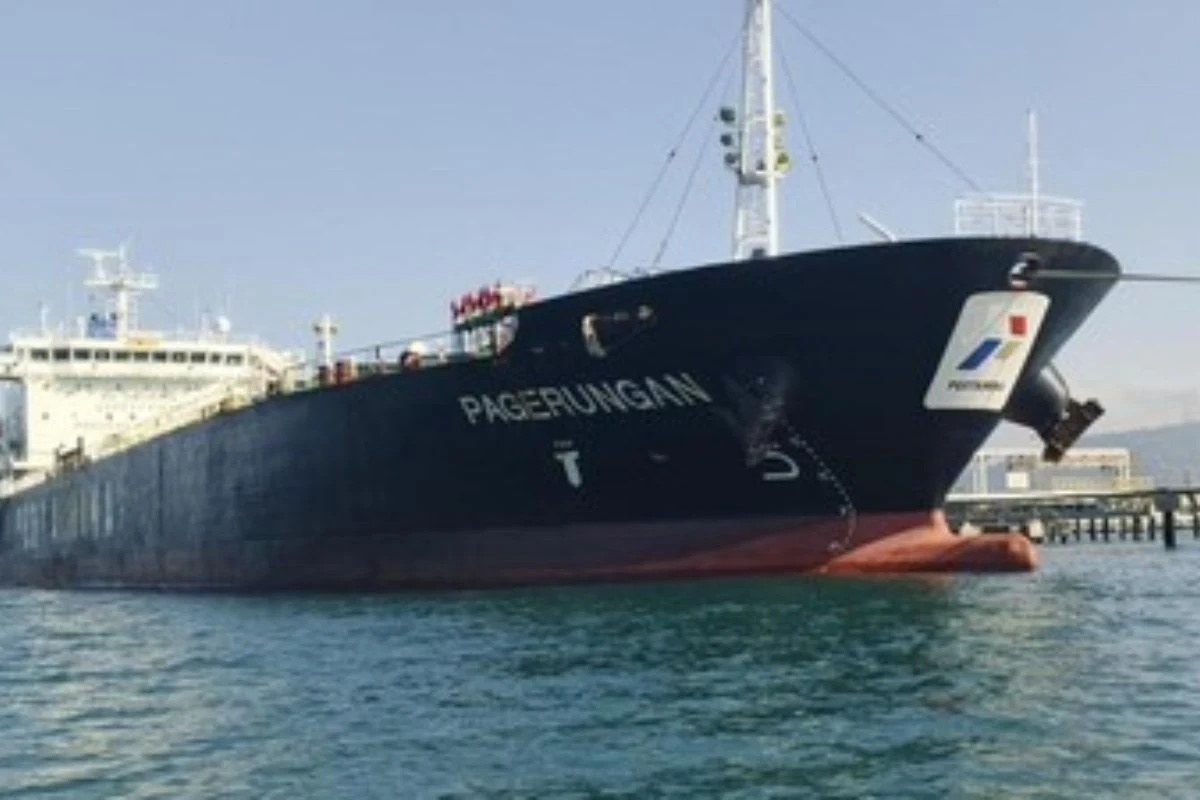
Port Wayame
- Ambon, Maluku


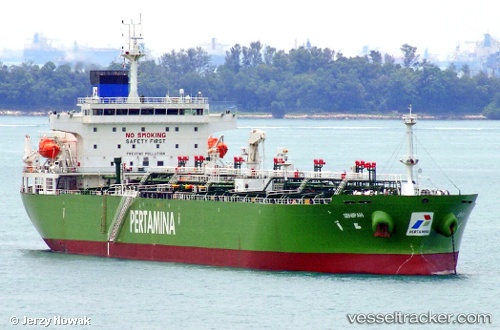
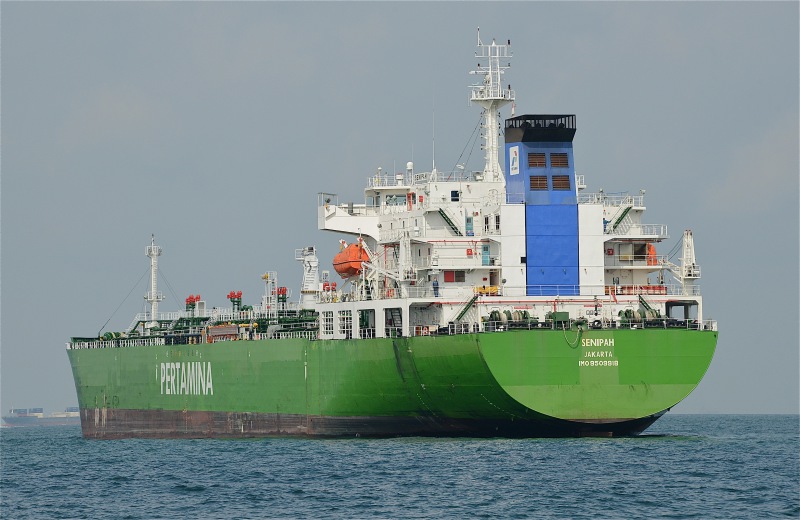
The Senipah Marine Terminal is an offshore terminal owned by PT Pertamina Hulu Mahakam, located in the waters of East Kalimantan. This terminal utilizes a Single Buoy Mooring (SBM) facility to serve crude oil loading activities from the Senipah, Bekapai, and Peciko fields in accordance with international safety standards.


Port Senipah Marine Terminal

1 Single Buoy Mooring (SBM)

24 Hours Operation

SBM Min/Max: 33,000 - 125,000 LT DWT

UTC +8 (WITA)
Senipah Marine Terminal merupakan terminal offshore yang dioperasikan PT Pertamina Hulu Mahakam untuk mendukung distribusi minyak mentah dari wilayah operasi Mahakam. Terminal menggunakan sistem Single Buoy Mooring (SBM) sehingga kapal tanker melakukan proses loading di area offshore dengan pengawasan Mooring Master dan mengikuti standar ISPS Code, ISGOTT, MARPOL, SOLAS, serta OCIMF.
All personnel must wear standard Personal Protective Equipment (PPE), including safety helmets, safety shoes, coveralls, gloves, and life jackets (as required) or task-specific PPE.
Smoking is strictly prohibited except in designated smoking areas. Matches, lighters, and any spark-producing equipment are banned within the terminal and onboard the vessel during operations.
Vessels must comply with the Ship/Shore Safety Checklist before and during loading. The Mooring Master or Terminal Representative may conduct inspections and will suspend operations if any safety non-conformity is found.
Any discharge of oil, dirty ballast, bilge water, waste, or pollutants into the sea is strictly prohibited in compliance with MARPOL. Any oil spill must be reported immediately to the terminal.
All operational communication between the vessel and terminal must be maintained on designated VHF channels. The Master and PIC must keep continuous radio contact with the Mooring Master from berthing to departure.
Vessels must strictly follow the Mooring Master's instructions during approach, mooring, loading, and unberthing. Operations must comply with ISPS Code, ISGOTT, SOLAS, MARPOL, and OCIMF standards. Main engines and deck machinery must be kept on immediate standby for emergency use.